
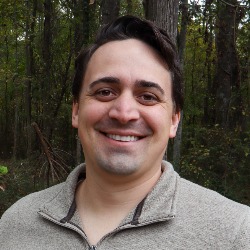
Dylan Redd Verified
Therapist
Greenville, South Carolina
- Anxiety
- Attention Deficit Hyperactivity Disorder (ADHD)
- Depression
Licensed Professional Counselor
Dr. Ken Taylor, LPC-S, CSAT, is the Clinical Director and Founder of the South Carolina Institute for Sexual Integrity. A Licensed Professional Counselor Supervisor and Certified Sexual Addiction Therapist, he holds an Ed.D. in Community Care and Counseling (Traumatology) from Liberty University. He specializes in helping adult men overcome problematic sexual behavior, including compulsive pornography use, secrecy and infidelity, rebuild trust after betrayal, and live with lasting integrity.
His approach is direct, nonjudgmental, trauma-informed and structured. After a careful assessment, treatment addresses underlying patterns, triggers, shame, attachment and trauma, accountability and relapse prevention. He integrates evidence-based methods, including cognitive-behavioral strategies, EMDR and specialized PSB recovery tools, and offers faith-sensitive care when it fits a client's values.
Dr. Taylor sees clients in person in Lexington, South Carolina, and by secure telehealth throughout the state. Alongside individual therapy, SCIFSI offers structured recovery workshops (the Conquer Series, Warpath and the Journey Course) as an adjunct to individual therapy, not as group therapy. A retired U.S. Air Force Senior Master Sergeant, he brings that same commitment to integrity into his clinical work.
Listing last updated November 13, 2026. Back to the directory
Also in South Carolina
Ranked by shared specialties, then distance. Clinicians marked remote available can also see you online anywhere they are licensed.
Therapist
Greenville, South Carolina
Therapist
Lexington, South Carolina

LISW-CP, CSOTP, CSAT-Candidate
Fountain Inn, South Carolina · Remote available
Funding for your sessions
Each program covers part of every session fee with a participating therapist like this one. Choose the one that fits your situation.
For individuals in recovery for compulsive behavior(s).
Partners and spouses carrying the impact of someone else's compulsive behavior.
Anyone seeking general mental health therapy for needs unrelated to compulsive behavior.

A next step for everyone
Lit Path makes healing more attainable by removing financial obstacles, harnessing community support, and providing access to specialized care.